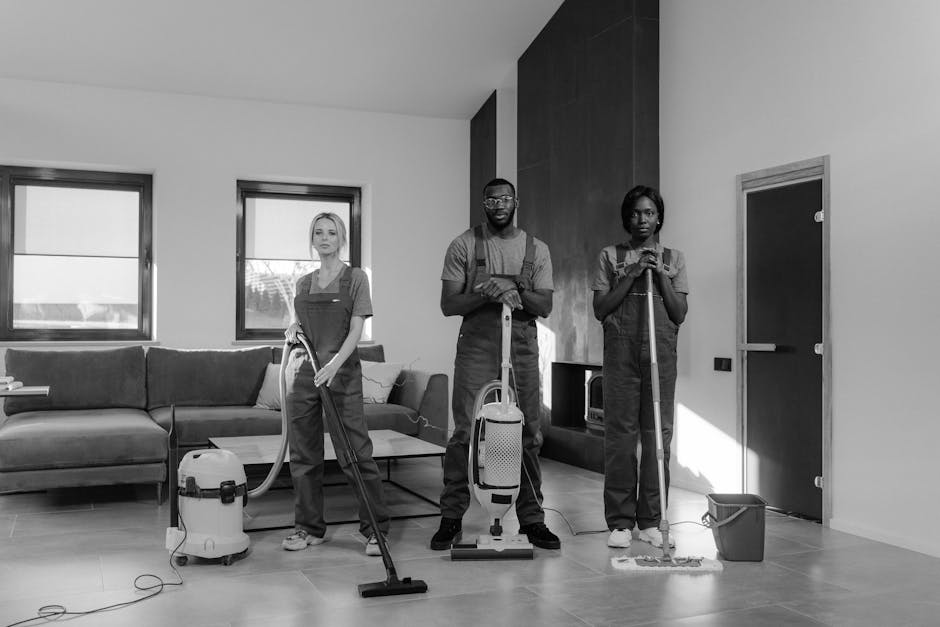
End of Tenancy Cleaning Balham Station SW12: A Practical Guide for a Smoother Move-Out
Moving out near Balham Station can feel oddly chaotic. Boxes everywhere, a final inventory to think about, and that nagging feeling that one overlooked oven tray or dusty skirting board could cost you part of your deposit. End of tenancy cleaning Balham Station SW12 is the service that helps bring order to the mess, giving your rented home a proper top-to-bottom clean before check-out day.
If you are a tenant, landlord, or letting agent dealing with a flat or house around Balham, the goal is usually the same: return the property in a clean, presentable condition that matches the tenancy agreement and the expected standard for handover. That sounds simple enough, but in real life it often means more than a quick tidy. It means grease, limescale, hidden dust, carpet marks, appliance residue, and all the little things people notice only when the inventory clerk arrives. Bit annoying, really.
This guide explains how the process works, what's usually included, where people go wrong, and how to decide whether a professional deep clean is the right move. You'll also find a checklist, a comparison table, and answers to the questions people most often ask before moving out.
Expert summary: if you want the best chance of a smooth handover, focus on the areas that attract the most inspection attention: kitchen, bathroom, floors, appliances, skirting, and windows. The difference between "lived in" and "ready for check-out" is usually in the details.
Why End of tenancy cleaning Balham Station SW12 Matters
End of tenancy cleaning matters because move-out inspections are usually more detailed than everyday cleaning. A rental property may look fine to the person living in it, but a landlord or inventory clerk will often focus on what has changed since the start of the tenancy: cupboard interiors, extractor fans, carpet condition, bathroom grout, window ledges, and the areas behind appliances.
In a busy part of South London like Balham, properties often see a lot of turnover. Flats near transport links are practical, desirable, and frequently let to tenants who are moving for work, family, or a new stage of life. That means check-outs can happen quickly, and there is less time to fix small issues after the fact. A proper end of tenancy clean helps reduce the risk of disputes about cleanliness, delays in reletting, or avoidable deductions.
It also matters because move-out cleaning is not just about appearance. It affects how the property smells, how hygienic it feels, and how easy it is to inspect. A kitchen that smells faintly of last Sunday's roast, or a bathroom where scale has built up around taps, can create a poor impression even if the rest of the place is neat.
To be fair, most tenants do not leave a home dirty on purpose. It's usually time pressure. The final week is a strange mix of packing tape, utility meter readings, and wondering where you put the spare keys. That is exactly why structured tenancy cleaning is useful: it takes one big job off your plate.
How End of tenancy cleaning Balham Station SW12 Works
A proper end of tenancy clean is usually more detailed than standard domestic cleaning or even a routine one-off clean. It is designed to reset the property, room by room, so it can pass a final inspection with minimal friction. The work normally starts with an assessment of the home's condition, then moves through kitchens, bathrooms, living spaces, bedrooms, hallways, and any extras such as balconies, utility rooms, or storage cupboards.
Professional cleaners typically work top to bottom. That means cobwebs and dust are removed from higher points first, then surfaces, fittings, and floors are addressed later. The logic is simple: clean debris falls down, so you do not want to mop before wiping the shelves. Annoying if you do, because then you are just cleaning the same area twice.
In many cases, a tenancy clean can be paired with related tasks such as carpet cleaning, oven cleaning, or window cleaning if those items need extra attention before the handover. That matters because some of the most visible problems are also the most stubborn.
A standard service often includes:
- deep cleaning of kitchen units, worktops, sinks, splashbacks, and appliance exteriors
- internal cleaning of ovens, hobs, extractor areas, and cupboard fronts
- bathroom scrubbing, descaling, and sanitising of fittings
- dusting and wiping of skirting boards, doors, switches, and frames
- vacuuming and mopping of floors
- removal of marks from walls and reachable surfaces where appropriate
- cleaning of internal windows, sills, and ledges
Some homes will need more. For instance, if a property has been empty for a while, dust can settle in awkward places. If it has been rented to pets, carpets and upholstery may need extra work. If there has been renovation or repair work before the move-out, an after builders cleaning service may be the more practical option. Different mess, different method.
Key Benefits and Practical Advantages
The biggest benefit is peace of mind, but there are several other advantages worth spelling out.
- Better chance of a smooth checkout: a well-cleaned home is easier to inspect and less likely to trigger cleanliness-related disputes.
- Time saved during a stressful move: packing, admin, removals, and keys already eat the day. Outsourcing the deep clean can be a relief.
- More thorough results: professional methods reach the bits people often skip, like skirting edges, behind radiators, or the inside of ovens.
- Cleaner handover presentation: the property simply looks and feels better, which helps everyone involved.
- Useful for tenants and landlords alike: tenants want to protect deposits; landlords want the property ready for the next occupant.
There is also a less obvious benefit: a professional clean can help you notice problems early. If an appliance is not working, a seal is damaged, or a stain is too persistent to remove, you can flag it before the final sign-off. That is much easier than trying to explain it after keys have been returned.
For landlords and property managers, it can also be part of a broader maintenance cycle. If a property needs periodic freshening between tenancies, services such as deep cleaning or house cleaning can support the wider upkeep of the home. For larger properties or mixed-use premises, office cleaning and other specialised services may be relevant elsewhere in the portfolio.
Who This Is For and When It Makes Sense
End of tenancy cleaning is most useful for tenants leaving a rented property, but that is not the only scenario. Let's break it down clearly.
Tenants: If your tenancy agreement expects the property to be returned in a professionally cleaned condition, this is the obvious group. Even when the wording is less strict, a detailed clean is often the practical route if you want to avoid arguments about the inventory.
Landlords: If you are preparing a property for new tenants, especially after a long occupancy, a full clean can help the home show well and reduces the chance of complaints when the next tenancy starts.
Letting agents: For managed properties, fast turnaround matters. A reliable end of tenancy clean can help keep the transition orderly and presentable.
Shared houses and HMOs: These can be tricky because different people clean to different standards. One person's "done" is another person's "needs a proper scrub." In those cases, a professional reset is often the least stressful route.
It makes sense whenever the property has more than light surface dust. If the oven is greasy, the bathroom has limescale, the carpets have traffic marks, or the windows have fingerprints and film, a targeted end of tenancy clean is usually worthwhile. If the home is already in very good condition and only needs light freshening, a more modest one-off cleaning service may sometimes be enough. Not always, but sometimes.
Step-by-Step Guidance
If you want to handle the process properly, start early. The final 24 hours before check-out are rarely the best time to discover a stubborn oven stain or missing descaling product.
- Review the tenancy agreement and inventory. Look at any cleaning clauses, appliance notes, and original condition photos. This gives you a clear target rather than guessing.
- Remove personal belongings first. Cleaning around boxes is frustrating and inefficient. Empty cupboards, shelves, drawers, and fridge shelves where possible.
- Identify problem zones. Kitchens, bathrooms, and carpeted areas usually take the most effort. Mark them out in your head before you begin.
- Work room by room. Do not bounce around the flat. Finish one area fully before moving to the next. It keeps progress visible and avoids missed corners.
- Use the right tools for each surface. Microfibre cloths, non-abrasive cleaners, limescale remover, and a decent vacuum go a long way. Harsh scrubbing can damage delicate finishes, so a bit of care matters.
- Treat appliances separately. Ovens, hobs, extractors, fridges, and washing machines need focused attention. This is where many inspections become awkward.
- Finish with floors and touchpoints. Vacuum, mop, then go back and check handles, light switches, and door frames for missed marks.
- Do a final walk-through in daylight. Morning or early afternoon light often shows dust and smudges better than evening light. You will notice things you missed before.
If the home has carpeting, rugs, or upholstered furniture that is included in the tenancy condition, it can help to combine the main clean with rug cleaning or upholstery cleaning. That is especially useful where odours, pets, or heavy use have left deeper marks.
Expert Tips for Better Results
Small details make a big difference. Really, they do.
Here are a few practical tips that help the clean feel complete rather than rushed:
- Start with the kitchen. It is usually the hardest room, so get it out of the way while your energy is highest.
- Soak before scrubbing. Grease and limescale often respond better after a short dwell time. Rushing straight in with a sponge is often slower.
- Check hidden edges. The strip behind the toilet, the top of cupboard doors, and the side of a fridge are common oversights.
- Use a torch or phone light. Sounds a bit dramatic, but it helps reveal dust on shelves, frames, and glossy surfaces.
- Keep bin bags and cloths close. Moving constantly from room to room wastes time. Efficient cleaning looks calm from the outside, but it is mostly good logistics.
- Take photos after cleaning. These can be useful if there is later disagreement about the handover condition.
One more thing. If a cleaner tells you certain marks will never come out, that is not automatically a failure. Some stains are set, some finishes are delicate, and some wear is just normal ageing. Good cleaners know the difference between dirt and damage. That distinction matters more than people think.
If you want a company overview before booking, the about us page is a useful starting point, and the cleaning company page can help you understand the wider service approach.
Common Mistakes to Avoid
A lot of check-out stress comes from simple, avoidable mistakes. They are common enough that you can almost spot them a mile off.
- Leaving cleaning until moving day. That almost always leads to rushing, missed areas, and frustration.
- Ignoring appliances. A shiny sink will not make up for a greasy oven or a dirty extractor hood.
- Forgetting vertical surfaces. Doors, frames, skirting boards, and switches collect fingerprints and dust.
- Using the wrong products. Strong chemicals can damage wood, stone, laminate, or upholstery. Always test carefully.
- Overlooking carpets and soft furnishings. Marks, odours, and general wear are often noticed quickly during inspections.
- Assuming "looks clean" means "passes inspection." It does not always. Inspection standards are usually more detailed than casual visual checks.
There is also the classic mistake of forgetting the small stuff: inside cupboard handles, the top of picture rails, or the dust under a bed frame. Trivial? Maybe. But those little things are exactly where a sharp-eyed inspector's attention tends to land.
Tools, Resources and Recommendations
You do not need an industrial toolkit to do a solid tenancy clean, but the right basics help a lot.
| Task | Helpful tool or product | Why it helps |
|---|---|---|
| General dusting | Microfibre cloths | Lift dust effectively without scratching most surfaces |
| Oven and hob cleaning | Degreaser and non-abrasive pad | Breaks down burnt-on residue more safely |
| Bathroom limescale | Descaler | Useful for taps, shower screens, and tiles |
| Floors and carpets | Vacuum cleaner and suitable mop | Keeps dust and debris from spreading |
| Upholstery touch-ups | Fabric-safe cleaner | Helps with small marks and surface refreshes |
| Windows and glass | Glass cleaner and lint-free cloth | Reduces streaks and leaves a clearer finish |
For homes with more specific cleaning needs, it may be worth combining services. For example, carpet cleaner support can help if the carpets need a deeper treatment than vacuuming alone. Likewise, sofa cleaning may be sensible if upholstery has picked up odours or visible marks over the tenancy.
If you are comparing service options, it can also help to review pricing and quotes so you know what is included and how add-ons are handled. And if you are checking how a company handles payments, payment and security is worth reading too. A little due diligence saves headaches later.
Law, Compliance, Standards, or Best Practice
For most renters in England, the practical rule is simple: return the property in the condition required by the tenancy agreement, allowing for fair wear and tear. Exact obligations can vary, so the tenancy contract, inventory, and check-in report are usually the documents that matter most in practice.
It is sensible to treat the final clean as part of a wider handover process. That means keeping receipts or confirmation if you hire a professional service, taking photos after the clean, and making sure the property is empty unless the agreement says otherwise. If a dispute later arises, evidence helps. Not perfect evidence, just sensible evidence.
From a best-practice point of view, professional cleaning should be carried out safely, with suitable products, appropriate PPE where needed, and care around delicate surfaces. Reputable providers should also be clear about health and safety policy, insurance and safety, and the practical limits of what can be achieved in one visit.
It is also good practice for companies to be transparent about complaints handling and customer care. If you are comparing providers, looking at their complaints procedure and terms and conditions can tell you a lot about how they operate. That kind of boring detail? Usually a good sign.
Options, Methods, or Comparison Table
There is more than one way to prepare a property for check-out. The best choice depends on the condition of the home, your time, and how strict the handover requirements are.
| Option | Best for | Pros | Limitations |
|---|---|---|---|
| DIY end of tenancy clean | Small, lightly used homes | Lower cost, full control | Time-consuming, easy to miss detail, physically tiring |
| Professional tenancy cleaning | Most rented homes with inspection pressure | Thorough, efficient, more inspection-ready | Costs more than DIY |
| Hybrid approach | Budget-conscious movers | You handle basics, pros handle difficult areas | Requires planning and a clear division of tasks |
If the property has obvious wear in particular areas, a hybrid approach can work well. For example, you might handle the general surfaces yourself, then book specialists for the oven, carpets, or windows. That tends to make sense in flats near transport routes, where dust and day-to-day grime build up in a way people do not really notice until the final week.
For homes with more general wear, domestic cleaning or deep cleaning can sometimes bridge the gap before the final tenancy clean. It depends on the state of the property, honestly.
Case Study or Real-World Example
A typical Balham move-out might look like this. A tenant in a two-bedroom flat near the station has three days before the final inventory. The place is tidy, but the kitchen has grease on the oven door, the bathroom has limescale around the taps, and the lounge carpet shows a darker walking path near the sofa.
They start by boxing the last of the personal items, then tackle the easy surfaces first. By day two, they realise the oven is taking far longer than expected, and the bathroom scale is stubborn. Instead of spreading themselves thinner, they bring in professional help for the difficult parts and use the remaining time for final checks and touch-ups.
The result is not magic. The property is not turned into a showroom. But it is clean, consistent, and ready for inspection. The key difference is that no one is scrambling at 10 p.m. trying to scrape burnt food off a shelf with a spoon. I mean, we have all seen worse plans.
For a smaller property, the same idea applies. If you are moving from a studio, the scale is smaller, but the stakes are similar: clean the points that count most, and do not leave the awkward jobs to the last minute.
Practical Checklist
Use this checklist before handing back the keys.
- all personal belongings removed from cupboards, drawers, shelves, and storage areas
- all rubbish bagged and taken out
- kitchen surfaces degreased and wiped down
- oven, hob, and extractor cleaned
- fridge, freezer, and washing machine interiors checked if included
- bathroom taps, tiles, glass, and fittings descaled and cleaned
- skirting boards, doors, handles, and switches wiped
- floors vacuumed and mopped
- carpets and rugs treated if required
- windows, sills, and ledges cleaned
- mirrors and glass surfaces streak-free
- final inspection photos taken in good light
- keys, remotes, and fobs accounted for
Quick reminder: if you are unsure whether something counts as normal wear or a cleaning issue, check the inventory first. That one document often settles arguments before they start.
Conclusion
End of tenancy cleaning Balham Station SW12 is really about finishing well. It protects your deposit position, helps the property pass inspection, and takes a lot of pressure off the final days of a move. Whether you are leaving a flat near the station, managing a rental in the wider Balham area, or preparing a home for the next occupants, the principle is the same: clean the details, check the awkward bits, and leave nothing half-finished.
Do that, and the handover feels a lot calmer. Less scrambling, fewer surprises, and a cleaner line between one chapter and the next. That matters more than people admit.
If you want support with a move-out clean that feels properly handled rather than rushed, take a look at the wider service information and choose the approach that suits your property best.
Get a free quote today and see how much you can save.
Frequently Asked Questions
What does end of tenancy cleaning Balham Station SW12 usually include?
It usually includes a detailed clean of kitchens, bathrooms, bedrooms, living areas, floors, skirting boards, doors, switches, internal windows, and appliances. Some properties may also need carpet, oven, or upholstery cleaning depending on their condition.
How long does a tenancy clean take?
It depends on the size and condition of the property. A small, tidy flat may take less time than a larger home with heavy kitchen use or stubborn stains. In practice, the condition of the oven and bathroom often changes the timeline more than people expect.
Do I need professional cleaning to get my deposit back?
Not always, but a professional clean can make it easier to meet the expected checkout standard. What matters most is the tenancy agreement, inventory, and the condition in which the property is returned.
Can I do the end of tenancy clean myself?
Yes, if you have the time, the right products, and the energy to be thorough. The challenge is that move-out cleaning is detail-heavy, and it is easy to miss areas that inspectors tend to notice.
What are the most commonly missed areas?
Cupboard tops, extractor fans, oven interiors, skirting boards, window ledges, behind toilets, door frames, and light switches are all frequent miss-outs. They do not look dramatic individually, but together they can affect the final impression.
Is carpet cleaning part of an end of tenancy clean?
Sometimes it is included, but not always. If carpets need extra attention because of marks, odours, or visible traffic wear, separate carpet cleaning can be a very sensible add-on.
What if my oven is very greasy?
That usually needs focused treatment. Oven cleaning is one of the most time-consuming jobs in a move-out clean, and it can be worth treating it as its own task rather than trying to squeeze it into general surface cleaning.
How far in advance should I book?
As early as you can, ideally before the final week of the tenancy. That gives you room to clear belongings, fix small issues, and avoid the panic of doing everything on the same day.
What should I do before cleaners arrive?
Remove personal items, empty cupboards where possible, defrost appliances if needed, and make sure the property is accessible. The cleaner can work much more efficiently when surfaces are clear and utilities are on.
Are there any standards I should check before booking?
Yes. Look for clear service descriptions, a straightforward complaints procedure, sensible health and safety information, and transparent terms. Those details often tell you more about service quality than flashy wording ever could.
What if the property has pet hair or odours?
That often needs extra attention in carpets, rugs, and upholstery. A combined clean can help if the home needs more than a standard surface refresh, especially after a long tenancy with pets.
Can end of tenancy cleaning help with a quick re-let?
Absolutely. A well-cleaned property is easier to photograph, easier to inspect, and more appealing to prospective tenants. It can make the transition between occupancies feel smoother, which is always a good thing.
Sometimes the last clean is the one that sets the tone for everything that comes next. A proper finish does have a quiet kind of power.