Health and Safety Policy for Balham Cleaners
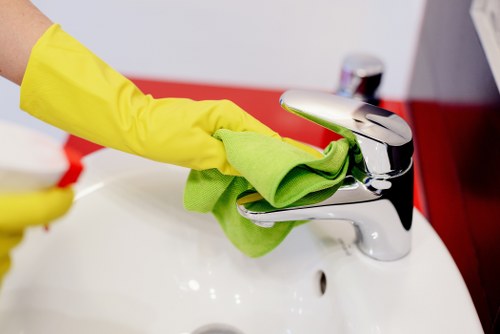 Balham Cleaners is committed to maintaining a safe, healthy, and well-managed working environment for staff, customers, and visitors. This health and safety policy sets out the principles, responsibilities, and practical steps that guide our daily operations. We aim to reduce risk, prevent accidents, and ensure that all cleaning services are carried out with care, professionalism, and consistent attention to safety.
Our policy applies to all work activities, including domestic cleaning, end-of-tenancy cleans, deep cleaning, and specialist surface care. Every member of the team is expected to follow safe working practices, use equipment properly, and report hazards promptly. We believe that effective cleaning safety depends on planning, communication, and a shared commitment to protecting people and property.
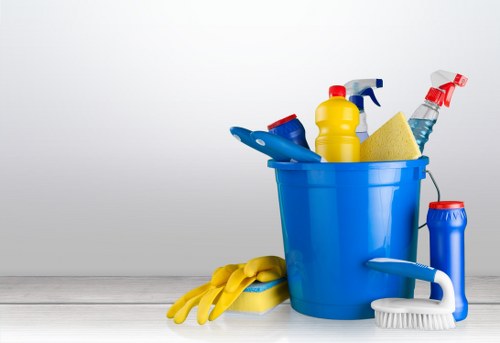 The company recognises that cleaning work may involve wet floors, chemicals, lifting, electrical equipment, and contact with sharp or fragile items. For that reason, risk assessment is a central part of our approach. Before any task begins, we consider the environment, the materials involved, and any conditions that could affect safety. Where risks are identified, suitable controls are put in place to minimise the chance of injury or damage.
Responsibilities and Safe Working Standards
Management is responsible for providing clear instructions, appropriate training, and suitable equipment for each job. Staff must work in line with the standards set out in this policy and must never take shortcuts that could compromise safety. In addition, supervisors are expected to monitor practices, address concerns, and support the continuous improvement of our safety procedures.
All cleaning operatives are expected to wear suitable personal protective equipment where required, such as gloves, masks, or non-slip footwear. Uniforms and protective items must be kept in good condition and used correctly. Good hygiene is also essential, especially when handling waste, sanitising surfaces, or working in environments where cross-contamination may occur. Careful handwashing, correct product use, and proper disposal of materials are part of our daily safe cleaning practice.
 When moving equipment or supplies, staff must use correct lifting techniques and seek assistance for heavy or awkward items. Cables, tools, and cleaning products should be stored neatly to prevent trips, falls, and spills. Work areas should be kept tidy at all times, with special attention given to stairways, entrances, and rooms where people may be passing through. These measures help maintain a safer workplace and support consistent cleaning health and safety performance.
Use of Cleaning Products and Equipment
Chemical safety is a key part of our policy. Cleaning products must be used exactly as instructed, and incompatible substances must never be mixed. Containers should be clearly labelled, stored securely, and kept out of reach of unauthorised persons. Where possible, we select products that are effective yet suitable for regular use, and we favour controlled application methods to reduce unnecessary exposure.
Equipment must be checked before use, and any item that appears damaged or unsafe must be removed from service immediately. Electrical appliances should be used with care, and any faults should be reported without delay. Water, moisture, and electricity can create hazards, so operatives must remain alert when using vacuum cleaners, steam devices, or other powered tools. This careful approach supports a stronger workplace safety culture.
Staff are also expected to protect the property being cleaned. Sensitive surfaces, decorations, and personal belongings should be handled responsibly, with due consideration given to the client’s environment. If a task appears unsafe, unclear, or beyond the agreed scope, it should be paused until further guidance is received. Preventing harm is always more important than completing a task quickly.
Training, Communication, and Incident Reporting
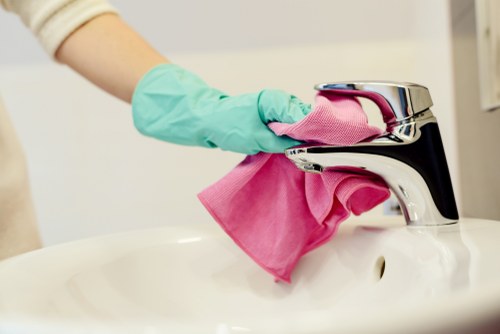 Training is provided so that staff understand the risks associated with cleaning activities and know how to reduce them. This includes instruction on product handling, manual handling, incident response, and the correct use of protective equipment. Refresher training may be arranged when procedures change or when additional support is needed. Our aim is to build confidence and reinforce reliable health and safety in cleaning.
Open communication is encouraged at every level. Team members should raise concerns about hazards, accidents, near misses, or unsafe conditions as soon as they are identified. Prompt reporting helps prevent repeat problems and allows action to be taken quickly. All incidents are reviewed so that lessons can be learned and improvements introduced where necessary. This process strengthens the overall cleaning company safety policy.
Managers are responsible for ensuring that suitable records are kept and that any serious issue is escalated appropriately. They will also review the policy periodically to make sure it remains effective, practical, and aligned with the needs of the business. A strong reporting culture supports accountability and helps maintain high standards across every assignment.
Review, Wellbeing, and Commitment
 Balham Cleaners also recognises that safety includes wellbeing. Fatigue, stress, and poor organisation can affect judgment and increase risk, so workloads should be planned sensibly and breaks taken where appropriate. Staff are encouraged to work at a steady pace, remain hydrated, and seek support if they feel unable to perform duties safely. A balanced approach contributes to better outcomes for everyone involved.
We are committed to reviewing this policy regularly and updating it where needed to reflect changing work practices, equipment, or legal expectations. The success of this policy depends on cooperation, responsibility, and respect for safe methods of work. By following these principles, Balham Cleaners can deliver a dependable service while protecting the health, safety, and wellbeing of all people affected by our work.