Recycling and Sustainability at Balham Cleaners
 At Balham Cleaners, sustainability is built into the way we care for garments, linens, and household textiles. Our goal is to keep useful materials in circulation for as long as possible, reduce waste at every stage, and support a cleaner local environment through practical, measurable action. As a modern Balham dry cleaner, we recognise that responsible garment care is not only about spotless results; it is also about thoughtful handling of water, energy, packaging, and end-of-life textiles.
We have set a clear recycling percentage target for our operations: 80% of non-hazardous operational waste is directed away from landfill through reuse, recycling, and recovery routes. This target covers items such as cardboard, paper, plastic wrapping, hangers, certain garment covers, and office materials. Where possible, we also prioritise repair, repurposing, and donation over disposal, because the most sustainable item is often the one that never becomes waste in the first place.
In day-to-day practice, our cleaners in Balham work with separated waste streams so materials can be sorted correctly and handled efficiently. That approach aligns well with the wider borough emphasis on clearer household and commercial waste separation, including dedicated streams for dry mixed recycling, food waste, residual waste, and specialist collection routes. By keeping recyclables uncontaminated, we improve the chance that materials such as paper, plastics, and metals can be processed into new products.
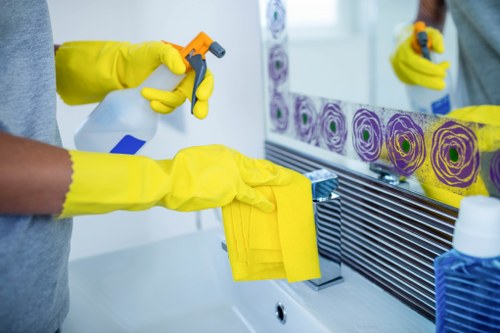 Our recycling at Balham Cleaners includes a focus on textiles as a valuable resource. Garments that can no longer be returned to a customer in serviceable condition are assessed for reuse, fibre recovery, or donation. Buttons, zips, and metal components are removed where appropriate to support better material separation. Even offcuts from alterations and tailoring work are reviewed for possible reuse, cleaning cloths, or textile recycling routes, helping us reduce the volume of fabric sent to disposal.
We also make careful choices around packaging. Recycled and recyclable hangers are used wherever practical, and we aim to reduce single-use plastic in favour of materials that can be collected and reprocessed. Labels, paper wraps, and receipt handling are managed with a lean-paper approach, while internal storage is organised to avoid unnecessary packaging damage. These small steps add up, especially in a busy local business where many garments move through the system each week.
As part of our wider environmental plan, we work with local transfer stations that support sorting and onward processing. These facilities play an important role in the borough’s waste infrastructure by receiving separated materials and directing them into appropriate recycling or recovery channels. For a business like ours, using the right transfer route means waste is not simply removed; it is evaluated and sent where it has the best chance of being reused, remanufactured, or recycled properly.
 Our sustainability commitments extend beyond waste handling into community partnerships. We collaborate with charities that can make use of wearable clothing, household textiles, and seasonal items that no longer fit a customer’s needs but still have life left in them. These partnerships help support people in the local area while giving fabrics a second purpose. In some cases, materials that cannot be worn again may still be suitable for textile recovery projects, cleaning rags, or fibre recycling channels, reducing pressure on landfill and incineration.
To strengthen our low-impact logistics, we operate low-carbon vans for collections and deliveries. These vehicles are selected to reduce emissions compared with older, less efficient fleets, and they are used alongside route planning that keeps journeys short and practical. In an area like Balham, where traffic management and local air quality matter, using cleaner vehicles supports both customer convenience and the wider goal of lower transport-related pollution.
Our approach also considers the seasonal nature of clothing care. During busy periods, when coats, duvets, and special-event garments create higher demand, we still maintain the same waste-sorting standards. Items that can be reused are separated from those that need recycling, and materials are always directed to the most suitable local or specialist processing route. This helps ensure that Balham garment care remains aligned with modern environmental expectations.
 In practical terms, sustainability is not a separate department for us; it is part of how Balham Cleaners sustainability is delivered every day. Staff are trained to spot opportunities for reuse, minimise contamination in recycling containers, and identify garments that could be passed to charity rather than discarded. We also keep an eye on changing borough recycling guidance so our processes stay compatible with local collection rules and wider waste-separation initiatives across south-west London.
Balham dry cleaners have a responsibility to think beyond the counter. We are careful with detergents, water use, and electrical consumption, but we also know that aftercare matters just as much. By extending the life of clothing through professional cleaning and maintenance, we help customers buy less often and keep favourites in use for longer. That is an important part of circular living, especially in neighbourhoods where residents increasingly want businesses to contribute to a lower-waste economy.
Looking ahead, our sustainability target will continue to guide investments in better materials recovery, smarter packaging, and more efficient transport. We want every collection, clean, and delivery to fit into a local system that values separation, reuse, and responsible disposal. From charity partnerships to transfer station use, and from low-carbon vans to careful textile sorting, our commitment is to make recycling in Balham a genuine part of everyday service.
 For customers choosing a Balham cleaner with environmental values, our promise is simple: practical service with a lower footprint. We will keep improving our recycling rate, support community reuse through charitable partners, and use transport and waste routes that reflect the needs of the borough. That means cleaner garments, less waste, and a more sustainable future for local laundry and garment care.