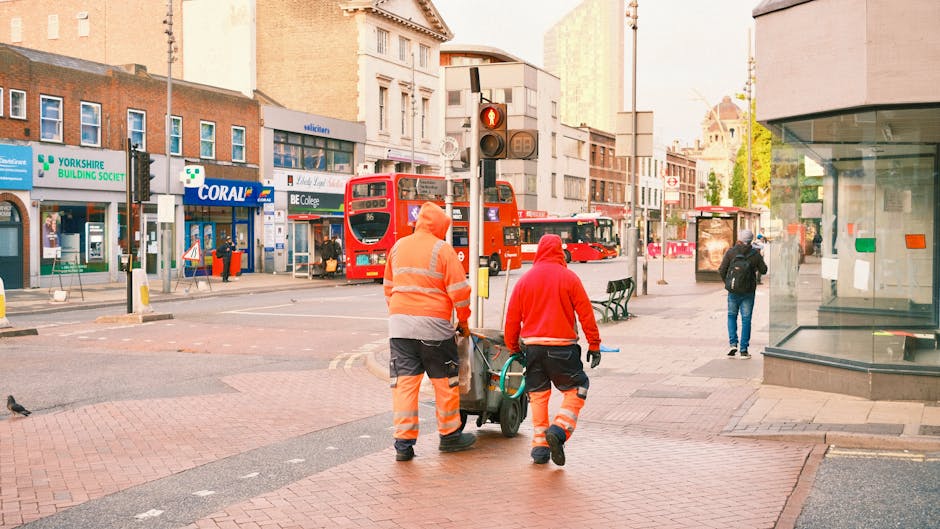
Same day emergency cleaning Balham High Road: fast help when the mess cannot wait
When something goes wrong at home, in a flat, or inside a business on Balham High Road, you do not always have the luxury of waiting until tomorrow. A leak leaves a stain spreading across the carpet. A tenant move-out reveals a kitchen that is nowhere near ready for handover. A broken bottle, a pet accident, or a last-minute guest visit turns a normal day into a small crisis. That is exactly where Same day emergency cleaning Balham High Road becomes useful: it is rapid, practical cleaning arranged to deal with urgent mess before it causes more stress, more damage, or more complaints.
This guide explains what emergency cleaning usually includes, how it works, who it suits, and how to choose the right service without overthinking it. We will also look at useful standards, sensible expectations, common mistakes, and a realistic checklist you can use straight away. No fluff. Just the sort of advice that helps when time is tight and the room already smells a bit worse than you would like.
Why Same day emergency cleaning Balham High Road Matters
Urgent cleaning is not just about appearances, though yes, that matters too. In many cases, speed changes the outcome. A spill left for hours can sink deeper into fibres. Food residue can attract odours. Moisture can travel under flooring. And in a rental property or business setting, visible dirt can affect trust in a matter of minutes. Let's face it: first impressions are unfair, but they are very real.
On a busy stretch like Balham High Road, people often need cleaning at awkward times. A shop may have a sudden incident before opening. A landlord may need a flat made presentable before a new tenant arrives. A family might need help after an unexpected guest departure or a messy weekend. Emergency cleaning fills the gap between "I can tidy this later" and "this needs dealing with now."
It also reduces the risk of turning a small problem into a larger one. A crushed drink into carpet pile, for example, may look harmless at first. Then later you notice the sticky patch, the smell, and the fact that everyone keeps stepping on it. That is the sort of thing emergency cleaning is meant to stop.
Expert summary: same-day cleaning is most valuable when delay would make the problem harder, costlier, or more embarrassing to deal with. The aim is not perfection in every case; it is to stabilise the situation quickly and professionally.
For people who need broader support beyond a single incident, services such as deep cleaning or one-off cleaning can be helpful follow-up options once the urgent issue has been handled.
How Same day emergency cleaning Balham High Road Works
The process is usually straightforward, which is what you want when you are already dealing with a mess. A same-day job normally starts with a quick call or message, a short description of the issue, and a conversation about access, urgency, and the type of cleaning needed. If the cleaner can take the job, they will typically confirm what can be done in the available time.
In practice, the service often works like this:
- You describe the problem clearly. Mention the room, the surface affected, the type of mess, and whether anything is still wet, greasy, or hazardous.
- The cleaner assesses urgency. A water spill, bodily fluids, smoke residue, or heavy food contamination may need a different approach from a general tidy-up.
- Access and timing are arranged. Same-day work depends on whether someone can get in quickly and whether parking or entry is practical.
- The team arrives with the right kit. That may include disinfectants, cloths, mops, vacuum equipment, stain-treatment products, and protective gear.
- The area is cleaned in the most effective order. Usually that means removing loose debris first, treating stains, disinfecting touched surfaces, then checking for lingering odour or residue.
- Final inspection and next-step advice. Sometimes the cleaner will tell you whether a second visit, specialist treatment, or drying time is needed.
It is worth saying that not every emergency is identical. A kitchen grease build-up after a burnt pan needs a different method from a flooded hallway or a soiled sofa. Good cleaners do not pretend otherwise. They adapt.
If the issue is mainly domestic, you may also find value in domestic cleaning or home cleaners once the immediate emergency is under control. For business premises, office cleaning can be the right long-term follow-up.
Key Benefits and Practical Advantages
Same-day cleaning has a few obvious advantages, and a few that people only appreciate after they have needed it once or twice.
- Stops the problem spreading. Fresh spills are easier to lift than old ones. That is just reality.
- Protects floors and furnishings. Quick treatment can help reduce staining and lingering odours.
- Restores a usable space. You may not need the whole property perfect. You just need the kitchen, hallway, or reception area functional again.
- Helps with handovers and appointments. Same-day support is especially useful before check-ins, inspections, viewings, or deliveries.
- Reduces stress. A neat room changes how the whole situation feels. You breathe easier. Simple as that.
There is also a time-saving advantage that people often underestimate. If you try to manage an urgent cleaning job yourself while also phoning plumbers, dealing with guests, or working from home, the day can unravel quickly. Bringing in help can be the difference between a frantic afternoon and a manageable one.
For more intensive restoration after heavy mess, a specialist option such as carpet cleaning can be more appropriate than a quick surface clean. Likewise, stubborn upholstery marks may need upholstery cleaning or sofa cleaning.
Who This Is For and When It Makes Sense
Emergency cleaning is for anyone who needs a quick, sensible fix rather than a general tidy. In real life, that can include a lot of different people and situations.
- Homeowners and tenants dealing with spills, breakages, pet mess, or post-party chaos.
- Landlords and letting agents who need a property brought back to presentable condition fast.
- Small businesses on Balham High Road with customer-facing spaces that must stay tidy and safe.
- Office managers dealing with accidental food spills, bathroom issues, or a sudden need for sanitising.
- People at the end of a tenancy where time is tight and standards matter.
It makes sense whenever delay would create a bigger headache. Think about a hallway with muddy footprints after a rainy London afternoon, or a kitchen where a fridge has leaked over the floorboards. You may think, "I can sort that later." Then later arrives and the smell says otherwise.
For bigger turnover jobs, end of tenancy cleaning can be the best fit. For post-refurbishment dust and debris, after builders cleaning is usually the more relevant route.
Step-by-Step Guidance
If you need urgent help, the biggest win is to stay organised for the first ten minutes. Not glamorous, but effective.
- Identify the mess type. Is it wet, sticky, greasy, dusty, broken, or contaminated?
- Make the area safe. Keep children, pets, and anyone with allergies away from the space if needed.
- Do not scrub aggressively. Rubbing can push stains deeper, especially on carpet and upholstery.
- Take a quick photo if useful. This helps explain the scale of the job. No need to overdo it.
- Note the surface. Carpet, wood, laminate, tile, grout, fabric, or glass all need different treatment.
- Ask what can be handled same day. Some issues can be fully resolved immediately; others need drying or follow-up.
- Clear access paths. Move small items out of the way so the cleaner can work efficiently.
- Check the result before the team leaves. If there is a lingering patch, odour, or residue, mention it while they are there.
A small but useful point: if the issue is on a soft furnishing, blotting is usually safer than rubbing. In many cases, less force means better results. Strange, but true.
When the urgent work is done, you may want a deeper treatment for the affected item or room. That is where services like carpet cleaner, rug cleaning, or window cleaning can help tidy up what the emergency job could not fully solve.
Expert Tips for Better Results
In our experience, the best emergency cleaning outcomes come from speed, clarity, and restraint. A few practical tips make a surprising difference.
- Tell the cleaner the truth about the mess. If there was bleach, food dye, oil, vomit, or pet urine involved, say so. Guessing wastes time.
- Keep the airflow sensible. Open windows if it helps with odour or drying, but do not create a draught that spreads dust everywhere.
- Use the right follow-up service. A one-off clean is not always enough if the issue has soaked into textiles or flooring.
- Prioritise the highest-risk area first. Entranceways, bathrooms, kitchens, and customer-facing spaces usually deserve first attention.
- Request targeted treatment. Odour removal, stain treatment, sanitising, and surface cleaning are not identical tasks.
If you are arranging cleaning for a workplace, ask whether the cleaner can focus on the exact zone that needs attention, rather than attempting a whole-building reset. That way the budget and the time both go further. Not fancy. Just sensible.
For ongoing support, cleaners and a dependable cleaning company can often provide a more practical plan than a once-off scramble every time something goes wrong.
Common Mistakes to Avoid
Emergency jobs often go sideways because people are rushing, not because they are careless. Still, some habits make the mess worse.
- Waiting too long to call. A fresh stain is easier to manage than a set one.
- Using too much water. Especially on carpets, fabric, and wood, this can spread the problem.
- Mixing products. Cleaning chemicals should never be combined casually. If you are unsure, stop there.
- Trying to hide the issue. You will probably make more work for yourself later.
- Assuming every cleaner does every job. Some messes need a specialist approach. A sofa soaked in liquid is not the same as a dusty skirting board.
- Forgetting about drying time. A room may look clean but still be damp, slippery, or not ready for use.
One of the most common errors is over-cleaning a stain before the right product has even had a chance. A bit like trying to fix a jammed drawer by yanking harder. It feels productive. It usually is not.
Tools, Resources and Recommendations
For a same-day response, good cleaners rely on a practical set of equipment rather than anything magical. You may not need to know every item, but it helps to understand what tends to be used.
- Microfibre cloths for gentle lifting of spills and residue.
- Mops and buckets for hard floors, kitchens, and entrances.
- Vacuum equipment for dry debris and loose dirt.
- Spot-treatment solutions for stains on carpet or fabric.
- Protective gloves and footwear when dealing with unhygienic or wet conditions.
- Odour-neutralising products for problem smells after spills or contamination.
On the customer side, the best "resource" is good information. Clear access instructions, parking notes, a short description of the issue, and photos if needed can save real time. If the building has awkward entry or restricted access, mention that early. The cleaner cannot read the front door, sadly.
It can also help to look at broader support options on the site, such as house cleaning for ongoing domestic upkeep, office cleaners for workspaces, or oven cleaning when the emergency involves a burnt appliance rather than the room itself.
Law, Compliance, Standards, or Best Practice
Emergency cleaning often sits in a practical grey area: it is not usually about formal legal procedure, but it still needs to be handled responsibly. In the UK, good practice means using suitable products, working safely, and taking care around waste, hygiene, and access issues. If the mess involves bodily fluids, mould, strong chemicals, or contaminated waste, a cautious and properly equipped approach matters a lot.
For commercial customers, there is also a simple standard of care to think about. Floors should be left safe, walkways should not be left slippery, and cleaning should not create avoidable risks for staff or visitors. That is just common sense, but common sense is sometimes the first thing to disappear during a panic.
Trust also matters. It is sensible to choose a provider that is transparent about service terms, payments, and safety. Pages such as insurance and safety, health and safety policy, payment and security, and terms and conditions can help you understand how a provider approaches those basics.
For environmental considerations, some customers also prefer a company that thinks carefully about disposal and product use. Recycling and sustainability can be relevant, especially where waste sorting or reduced chemical use is part of the service approach.
Options, Methods, or Comparison Table
Not every urgent cleaning problem needs the same solution. Here is a simple comparison to help you decide what fits best.
| Cleaning option | Best for | Strengths | Limitations |
|---|---|---|---|
| Same-day emergency cleaning | Spills, odours, sudden mess, urgent presentation issues | Fast response, practical, reduces damage and stress | May not fully restore heavily affected materials in one visit |
| One-off cleaning | General reset after a busy period | Broader than emergency cleaning, good for occasional support | Usually less urgent and not always immediate |
| Deep cleaning | Built-up dirt, neglected rooms, stubborn grime | More thorough, longer-lasting freshness | Takes more time and may not suit a sudden incident |
| Specialist fabric or carpet treatment | Stains on rugs, carpets, sofas, upholstery | Targets the material directly, often better for visible marks | May be needed after the initial emergency visit |
If you are unsure which route makes sense, ask a cleaner to talk through the problem in plain English. A good answer should be clear, not salesy. You do not need a lecture. You need a sensible plan.
Case Study or Real-World Example
Picture a small cafe near Balham High Road on a Friday morning. A delivery carton breaks open, a bottle leaks, and liquid starts creeping under a prep area. Staff are already serving coffee, and the floor cannot stay damp for long. Nobody wants to close the whole space, but nobody wants a slip hazard either.
In a situation like that, the priority is immediate containment. The cleaner would remove loose debris, absorb the spill, treat the affected floor, check for residue, and make sure the area is safe enough to use again. If the spill has reached fabric seating or a nearby rug, those items may need a second-stage treatment later. The immediate goal is not showroom perfection. It is control.
We have seen domestic versions of the same pattern too: a family returning from a late evening out, finding a pet accident in the lounge, and needing the room ready before visitors arrive the next day. Same problem, different setting. The emotion is similar though. You want the space back, and you want it back quickly.
That is why same-day cleaning is so useful. It gets the room from "oh no" to "manageable" faster than most people can do alone.
Practical Checklist
Use this quick checklist before the cleaner arrives. It saves time and keeps the job focused.
- Identify exactly where the mess is.
- Keep people and pets away from the area if needed.
- Do not scrub the stain aggressively.
- Note whether the problem is wet, greasy, sticky, or contaminated.
- Check whether the item is carpet, hard floor, sofa, rug, upholstery, or a mixed surface.
- Clear a route to the room or entrance.
- Share access details and any parking limitations.
- Ask whether drying time will be needed.
- Confirm if follow-up treatment may be recommended.
- Review the result before the cleaner leaves, if possible.
Quick takeaway: the cleaner can work faster and better when the problem is described clearly. That small bit of preparation often makes the biggest difference.
Get a free quote today and see how much you can save.
Conclusion
Same-day emergency cleaning on Balham High Road is about more than speed. It is about protecting the room, limiting disruption, and helping you get back to normal before the day gets any worse. Whether the issue is a spill, a smell, a damaged carpet, or a last-minute property handover, fast cleaning support can turn a stressful moment into something manageable.
The best results come from acting early, explaining the problem properly, and choosing the right type of cleaning for the surface and situation. Sometimes that means a focused emergency visit. Sometimes it means a deeper follow-up afterwards. Either way, the point is the same: deal with the mess while it is still a solvable mess.
If you are staring at a problem right now, take a breath. Get the basics clear, get help quickly, and give the space a proper reset. It really can feel better within the hour.
Frequently Asked Questions
What counts as same day emergency cleaning Balham High Road?
It usually means a cleaning visit arranged for the same day to deal with an urgent issue such as a spill, stain, odour, hygiene problem, or sudden mess that cannot wait.
How quickly can an emergency cleaner arrive?
That depends on the time of day, the size of the job, and availability. Same-day service means fast response, but it is still subject to scheduling and travel.
Is emergency cleaning only for homes?
No. It can also be useful for offices, cafes, shops, rental properties, and other spaces where mess or hygiene needs to be dealt with quickly.
Can same-day cleaning remove carpet stains completely?
Sometimes, yes, especially if the stain is fresh. But not every stain comes out fully in one visit. The type of stain, the carpet fibre, and how long it has been there all affect the outcome.
What should I do before the cleaner arrives?
Make the area safe, avoid scrubbing the mess, and give clear access. If possible, note the surface type and the kind of spill or contamination involved.
Does emergency cleaning include disinfecting?
It often can, depending on the issue. If hygiene is part of the problem, ask for sanitising or disinfection as part of the job discussion.
Is emergency cleaning more expensive than a standard clean?
It can be, because urgent response often involves short notice, specialised equipment, or out-of-hours scheduling. The exact cost depends on the situation and the work required.
Should I choose deep cleaning instead?
If the problem is urgent, same-day emergency cleaning is usually the better first step. Deep cleaning is more suitable for built-up dirt, ongoing neglect, or a broader refresh after the immediate issue is handled.
What if the mess involves a sofa, rug, or upholstery?
Soft furnishings may need targeted treatment rather than a general clean. In those cases, a specialist service such as sofa, rug, or upholstery cleaning is often the right follow-up.
Can a cleaner help after a tenancy move-out?
Yes. Emergency help can be useful when a property needs to be made presentable fast, but if the whole place needs attention, end of tenancy cleaning may be the better fit.
How do I know if the cleaner is trustworthy?
Look for clear communication, sensible terms, and transparent information about safety, insurance, and payment. Trust is built quickly when answers are straightforward.
What is the best next step if I need help right now?
Describe the problem clearly, ask what can be done the same day, and confirm access details. If the issue is urgent, speed matters more than trying to plan the perfect clean.